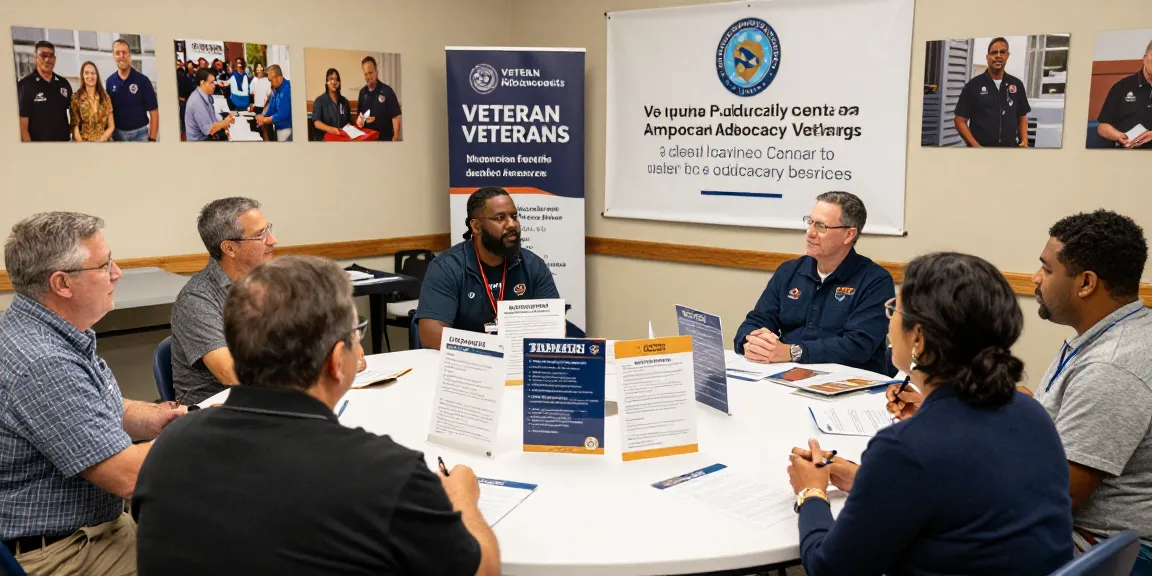
Understanding Veteran Advocacy Services
Veteran advocacy services play a critical role in supporting those who have served in the armed forces, helping them navigate the complex landscape of benefits and entitlements they have earned. These services are designed to assist veterans not only in accessing health care and disability benefits but also in managing the socioeconomic challenges they may face after service. When exploring options, Veteran advocacy services provide comprehensive insights into available resources, ensuring that veterans receive the necessary support throughout their transition back to civilian life.
What Are Veteran Advocacy Services?
Veteran advocacy services encompass a wide array of programs and resources dedicated to assisting veterans in accessing the benefits they deserve. This can include helping with claims for disability compensation, education assistance, health care access, and housing support. Advocacy can be offered through non-profit organizations, government agencies, and community groups that understand the unique needs of veterans and their families.
The Importance of Veteran Advocacy
The importance of veteran advocacy cannot be overstated. Many veterans face challenges when reintegrating into civilian society, including understanding their benefits and dealing with bureaucratic hurdles. Advocates are crucial in providing the necessary guidance and support, ensuring veterans can access important resources for health care and financial stability. Moreover, advocacy fosters a sense of community, empowering veterans to seek help without stigma.
Common Types of Advocacy Services Available
- Health Care Navigation: Assistance in understanding and accessing medical benefits through the VA.
- Disability Claims Assistance: Help with filing and managing claims for disability benefits.
- Legal Support: Guidance on legal matters, including appeals and discrimination cases.
- Employment Services: Job placement and skills training to help veterans find meaningful employment.
- Financial Counseling: Support in managing finances, including budgeting and debt management.
Navigating the Benefits System
Accessing Medical Benefits for Veterans
Navigating medical benefits can be daunting, but veteran advocacy services are equipped to provide veterans with the needed information and assistance. Various programs exist to help veterans enroll in the VA health care system, understand their eligibility, and receive timely medical attention. Advocates often attend medical appointments with veterans to ensure their needs are addressed.
Financial and Economic Support Resources
Many veterans struggle with financial stability after their service. Economic support resources can include grants, scholarships, housing assistance, and unemployment benefits. Veteran advocates can guide veterans in identifying and applying for these resources, ultimately helping them achieve financial independence.
Legal Assistance for Veterans and Their Families
Legal issues can arise during a veteran’s reintegration, including disputes over benefits or issues of discrimination. Advocacy groups often provide legal assistance or connect veterans with organizations that specialize in veterans’ law. By ensuring veterans know their rights, these services can protect and empower them during challenging times.
Challenges Faced by Veterans
Barriers to Accessing Veteran Advocacy Services
Despite the availability of services, many veterans encounter barriers when attempting to access advocacy support. These barriers can include lack of awareness about available resources, stigma surrounding mental health and support, and logistical challenges such as transportation and scheduling conflicts. Addressing these barriers is essential for ensuring veterans receive the support they need.
Common Misconceptions About Veteran Advocacy
There are several misconceptions surrounding veteran advocacy services. A prevalent myth is that these services are only available for veterans with severe disabilities or health issues. In fact, advocacy services are designed for all veterans, regardless of their health status or needs. Furthermore, some veterans may believe they must navigate the system alone, when in reality, advocates are there to provide support at every step.
Strategies to Overcome Obstacles
Overcoming obstacles to access veteran advocacy services requires a multi-faceted approach. Increasing outreach and education about available resources is fundamental. Community events can help raise awareness and foster connections among veterans. Additionally, leveraging technology to create online support interfaces can improve access for those who may find it challenging to seek help in person.
The Role of Community in Veteran Support
Building a Network of Support for Veterans
A robust support network is crucial for veterans as they navigate their post-service lives. Communities can establish veteran-specific organizations that offer resources and support tailored to the unique needs of veterans and their families. Peer-to-peer support programs can significantly enhance camaraderie and understanding among veterans.
Engaging with Local Veteran Organizations
Local veteran organizations play an essential role in providing advocacy services. They are often connected to broader networks that can facilitate access to resources. Encouraging veterans to engage with these organizations can enhance their support system and provide them with critical information about their rights and available benefits.
How Communities Can Advocate for Veterans
Communities can take proactive steps to advocate for the needs of veterans. This includes promoting awareness campaigns, supporting legislation that favors veteran rights, and participating in local events honoring veterans. Community involvement can create a culture of respect and support, significantly benefiting veterans.
Future Trends in Veteran Advocacy Services
Innovations in Advocacy Technologies
The future of veteran advocacy services is poised for transformation with the integration of technology. Telehealth services, online claim management systems, and mobile applications dedicated to veteran support are becoming increasingly common. These innovations can improve communication and make access to advocacy resources more convenient for veterans.
Emerging Policies Affecting Veteran Services by 2026
As we look toward 2026, emerging policies are likely to prioritize veteran health care reform, mental health services, and economic empowerment initiatives. Advocacy organizations must stay informed and adapt to these changes to continue providing effective support to veterans.
Predictions for Veteran Advocacy Needs and Resources
Looking ahead, we can predict an increasing demand for comprehensive veteran advocacy services. As more veterans seek support, the focus will likely shift toward holistic solutions that encompass mental, physical, and economic health. By 2026 and beyond, advocacy services that prioritize personalized support will be vital in meeting the diverse needs of the veteran population.
What issues can a VA advocate help with?
VA advocates can assist with a wide range of issues, including helping veterans understand benefits, access health care services, file for disability claims, and navigate legal challenges. Their role is to serve as intermediaries who simplify complex processes and provide essential support.
How to get a veterans advocate?
Veterans seeking advocacy assistance can contact local veteran organizations, the VA, or online directories that list accredited representatives. Many services are free of charge, ensuring that veterans receive the help they need without financial barriers.
Is the VA patient advocate free?
Yes, VA patient advocacy services are provided at no cost to veterans. These advocates focus on ensuring that veterans receive high-quality care and assistance in addressing any issues they may encounter within the medical system.
What is a veteran advocate?
A veteran advocate is an individual or organization dedicated to supporting veterans in obtaining the benefits and services they deserve. Advocates can be veterans themselves, providing a relatable perspective on the challenges faced by service members transitioning to civilian life.
How can communities support veteran advocacy services?
Communities can support veteran advocacy services by volunteering, donating, and raising awareness about the needs of veterans. Engaging in local advocacy initiatives and collaborating with veteran organizations can foster a supportive environment where veterans feel valued and understood.